
Jaipur, the capital city of the Indian state of Rajasthan, is famously known as the "Pink City." This vibrant nickname is not just a reference to the color of its buildings but also a nod to its rich history, architectural splendor, and unique cultural heritage. Jaipur's distinctive pink hue has captured the imagination of travelers from around the world and has made it one of the most photographed cities in India. But what exactly is the story behind this name? In this blog post, we explore the fascinating history and reasons why Jaipur is called the Pink City.
1. Historical Origins of the Pink Color
The story of Jaipur's pink color dates back to the 19th century when Maharaja Sawai Ram Singh II, the ruler of Jaipur, decided to repaint the entire city in preparation for a royal visit. In 1876, the city was gearing up for the arrival of the Prince of Wales, who would later become King Edward VII. To welcome the Prince and to impress the British dignitaries, Maharaja Ram Singh chose to paint the city in a shade of terracotta pink, a color that symbolizes hospitality in Indian culture. The decision to use pink was strategic. The color was meant to convey a sense of warmth, friendliness, and grandeur, qualities that Jaipur, under the Maharaja’s rule, wanted to showcase. The plan worked beautifully, and the Prince of Wales was indeed impressed with the city's welcoming ambiance. The practice of painting the city pink became a tradition that has been maintained ever since, earning Jaipur the endearing title of the "Pink City."2. Architectural Significance and Planning
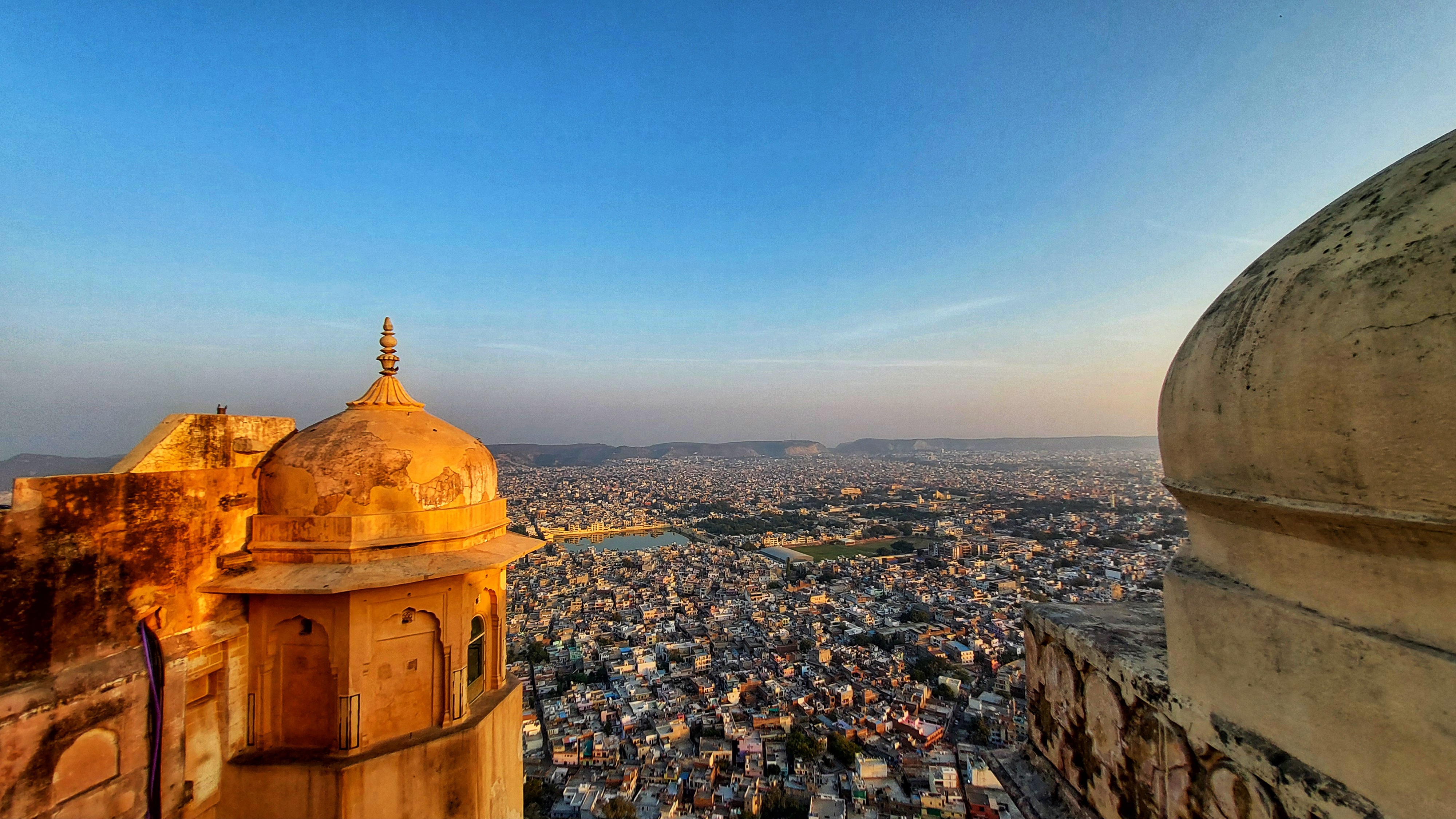
Beyond its historical roots, Jaipur’s pink color is also deeply connected to its architectural planning and design. Founded in 1727 by Maharaja Sawai Jai Singh II, Jaipur was one of India’s earliest planned cities. Unlike many other medieval cities, Jaipur was constructed with precise urban planning, wide streets, and a systematic layout based on Vastu Shastra, the ancient Indian science of architecture. The city is organized into six sectors, each separated by broad streets, with buildings made from a distinctive pink sandstone. The uniform pink color of the buildings not only adds to the city's aesthetic appeal but also highlights its architectural heritage. Landmarks such as the Hawa Mahal (Palace of Winds), City Palace, Jantar Mantar, and the Albert Hall Museum stand out in their pink magnificence, creating a cohesive visual experience that is both regal and unique to Jaipur. The pink color serves as a backdrop that unifies these historic structures, allowing their intricate designs and ornate facades to shine.3. A Symbol of Royalty and Romance
Jaipur’s pink hue has also come to symbolize royalty and romance. The city’s association with its princely heritage, from its majestic palaces to its historic forts, is enhanced by the romantic allure of the pink color. The color pink, often associated with love and warmth, reflects the city's deep cultural connection to Rajasthani hospitality and its reputation for welcoming visitors with open arms. Over the years, Jaipur's pink walls have witnessed countless royal processions, festive celebrations, and cultural events that have shaped its identity as a city of grandeur and grace. The color itself has become a visual symbol of Jaipur's royal past and its ongoing commitment to preserving and celebrating its cultural heritage.4. Government Mandates and Preservation Efforts
To maintain the city's unique character and heritage, the government of Rajasthan has implemented regulations that mandate the use of pink paint in the walled city of Jaipur. This regulation ensures that the city retains its historic charm and continues to live up to its name as the Pink City. The mandate is not just about color but is also about preserving the traditional aesthetic and architectural integrity of Jaipur. In recent years, restoration and preservation efforts have intensified to maintain the vibrancy of Jaipur's pink facades. These efforts are part of a broader initiative to promote Jaipur as a UNESCO World Heritage site, a status it was granted in 2019. This recognition further reinforces Jaipur's standing as a cultural and historical treasure, with its pink color being a defining characteristic of its identity.5. A Major Tourist Attraction
Jaipur’s status as the Pink City has made it one of India’s most popular tourist destinations. Visitors from around the globe flock to Jaipur to experience its rich history, vibrant culture, and of course, to see its iconic pink buildings. The city's color not only makes for stunning photographs but also provides a unique backdrop for exploring its bustling bazaars, majestic forts, and serene palaces. The Pink City is often the starting point for travelers exploring Rajasthan, as part of the famous Golden Triangle tourist circuit, which includes Delhi, Agra, and Jaipur. The city's distinctive color palette adds a layer of charm that complements its cultural and historical offerings, making Jaipur a must-visit destination.Conclusion
Jaipur’s moniker as the Pink City is a tribute to its history, its carefully planned architecture, and its cultural vibrancy. The city's pink hue is more than just a color; it is a reflection of Jaipur’s spirit, its warm hospitality, and its royal heritage. From the strategic choice made by Maharaja Sawai Ram Singh II in 1876 to impress a visiting prince, to the modern-day regulations that preserve its unique appearance, the pink color of Jaipur has become an enduring symbol of its identity. For anyone visiting Jaipur, the Pink City offers not just a visual feast but also a deep dive into a culture that values tradition, welcomes guests with open arms, and celebrates its rich past with pride.
Tags
Travel