
Introduction
Mandala and Lippan Art are two distinct art forms that have captivated artists and art enthusiasts around the world. While both art forms originate from ancient traditions and cultures, they have unique characteristics, techniques, and symbolism that set them apart. In this article, we will explore the differences between Mandala and Lippan Art to understand their unique qualities and cultural significance.
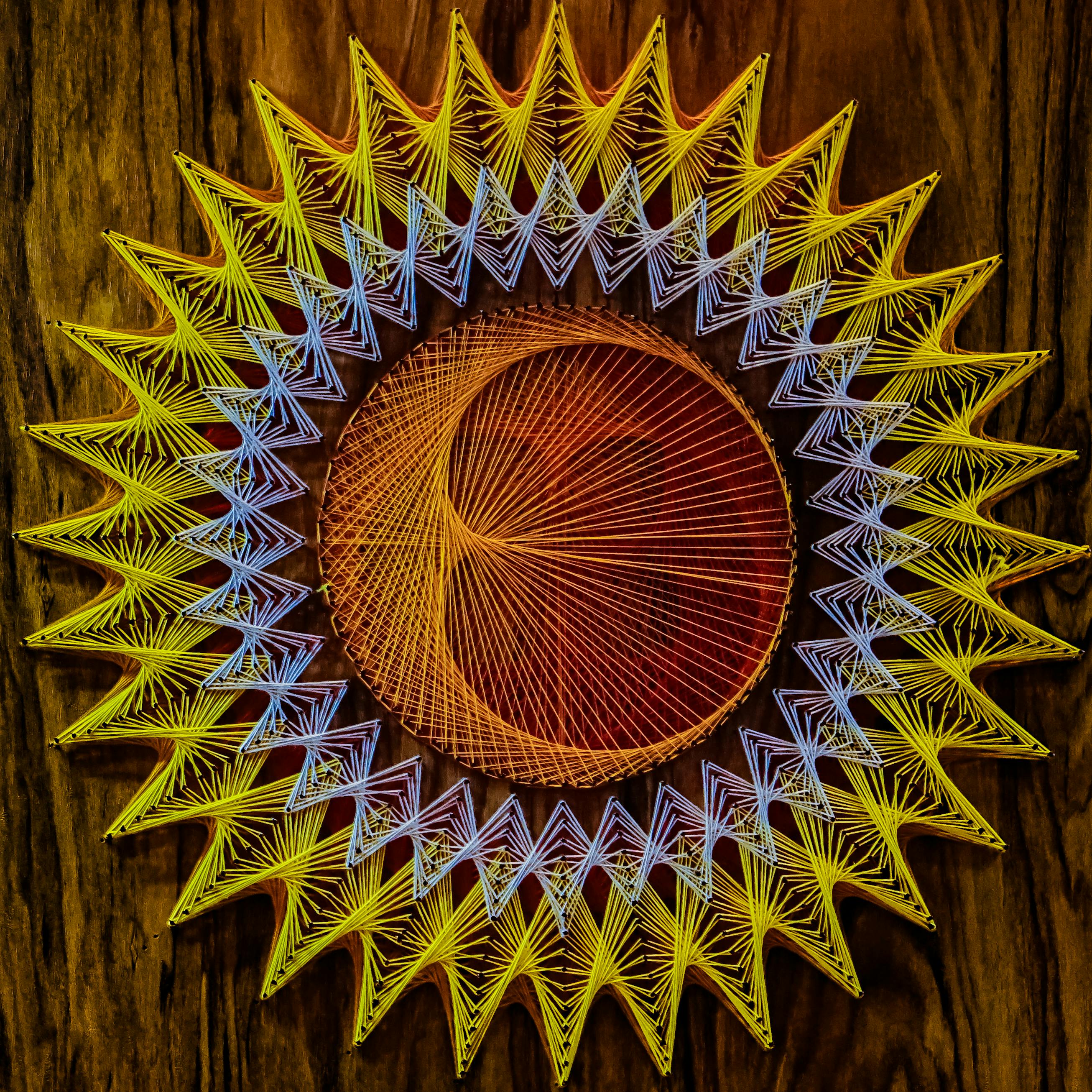
What is Mandala Art?
Mandala art is a spiritual and ritual symbol in Hinduism and Buddhism that represents the universe. The word "Mandala" comes from the Sanskrit language and means "circle." Mandalas are intricate geometric designs that symbolize the idea of completeness and unity. They are often used in meditation and spiritual practices to focus the mind and facilitate mindfulness.
Origins of Mandala Art
Mandala art has a rich history dating back thousands of years. It originated in India but has spread to various cultures around the world, including Tibet, China, Japan, and even Western countries. In Hinduism and Buddhism, mandalas are used as spiritual guidance tools, aids in meditation, and symbols of sacred space. The designs often incorporate geometric patterns, floral motifs, and spiritual symbols.
Techniques and Materials in Mandala Art
Mandala art is created using various materials and techniques, depending on the artist's preference and cultural influences. Common materials include paper, canvas, fabric, and sand. Artists use fine-tipped pens, brushes, and colors to draw intricate patterns and fill in the designs with vibrant hues. Sand mandalas, particularly popular in Tibetan Buddhism, are created using colored sand and require a high level of skill and patience.
Symbolism in Mandala Art
Mandala art is rich in symbolism and is often used as a tool for meditation and introspection. The circular designs represent wholeness, unity, and harmony. Each layer of the mandala can represent different aspects of the universe or the self, making it a powerful symbol in spiritual practices. The intricate patterns and shapes within a mandala often symbolize different spiritual concepts, such as the elements, deities, or the cycle of life and death.
What is Lippan Art?
Lippan Art, also known as Mud and Mirror Work, is a traditional Indian art form that originates from the Kutch region of Gujarat. This folk art involves creating intricate designs using a mixture of clay and camel dung, adorned with small mirrors. Lippan Art is typically created on walls, adding a decorative and cultural touch to homes and buildings in rural Gujarat.
Origins of Lippan Art
Lippan Art has been practiced by the local communities of Kutch for centuries. It is primarily associated with the Rabari community, a nomadic tribe known for its rich cultural heritage and artistic skills. The art form originally served both functional and decorative purposes, helping to keep homes cool in the hot desert climate while also showcasing the unique artistic traditions of the community.
Techniques and Materials in Lippan Art
Lippan Art is created using a mixture of clay and camel dung to form a thick paste. This paste is then used to create intricate patterns and designs on walls. Once the base design is formed, small mirrors of various shapes are embedded into the clay to add a reflective quality to the artwork. The mirrors not only enhance the visual appeal but also play with light, creating a dynamic and vibrant effect. The designs can vary from geometric patterns to depictions of flora and fauna, reflecting the natural surroundings and cultural symbols of the Kutch region.
Symbolism in Lippan Art
Lippan Art is deeply rooted in the cultural and social fabric of the communities in Kutch. The motifs and designs often reflect the daily life, beliefs, and traditions of the artisans. Common symbols include peacocks, camels, trees, and flowers, each carrying its own cultural significance. The use of mirrors in the artwork is believed to ward off evil spirits and bring positive energy into the home.
Key Differences Between Mandala and Lippan Art
| Aspect | Mandala Art | Lippan Art |
|---|---|---|
| Origin | India, with influences from Hinduism and Buddhism, spread globally. | Kutch region of Gujarat, India, primarily practiced by the Rabari community. |
| Materials Used | Paper, canvas, fabric, sand, colors, pens, brushes. | Clay, camel dung, small mirrors, sometimes acrylic colors for modern adaptations. |
| Techniques | Drawing intricate geometric patterns, often circular, with fine detail work. | Creating raised patterns with a clay mixture and embedding mirrors into the designs. |
| Symbolism | Represents unity, harmony, spiritual journey, and the universe. | Reflects cultural symbols, daily life, and beliefs; mirrors are thought to ward off evil. |
| Cultural Significance | Used in spiritual practices, meditation, and as a symbol of sacred space. | Decorative and functional, reflects the cultural heritage of the Kutch region. |
While Mandala and Lippan Art are both visually captivating and rich in cultural significance, they differ in origin, materials, techniques, and symbolism. Mandala art is more focused on spiritual symbolism and meditation, with its intricate, geometric designs representing the universe and the spiritual journey. In contrast, Lippan Art is a traditional folk art that reflects the cultural heritage of the Kutch region, using natural materials and mirrors to create vibrant and reflective wall decorations. Understanding these differences allows us to appreciate the unique qualities of each art form and their contributions to the rich tapestry of world art.